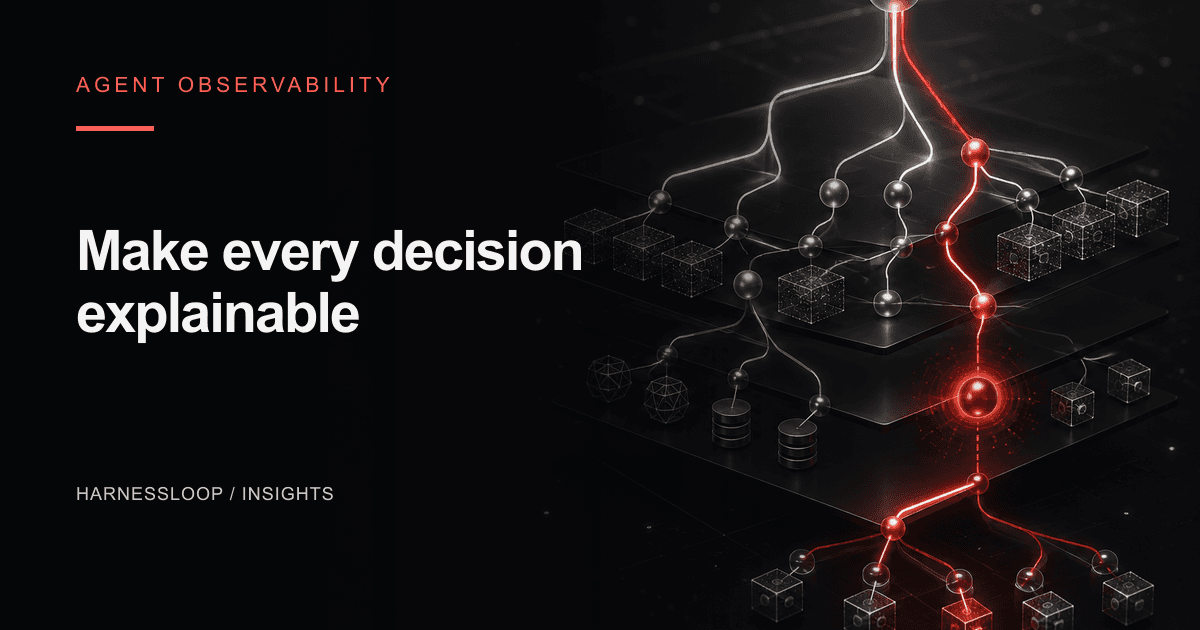
Your agent returned the wrong answer. Can you explain why?
How to design traces, spans, metadata, sampling, and quality signals that make production AI failures explainable without logging everything.
Deep dives into AI Agents, Agentic RAG, and the future of autonomous software development.
How to design traces, spans, metadata, sampling, and quality signals that make production AI failures explainable without logging everything.
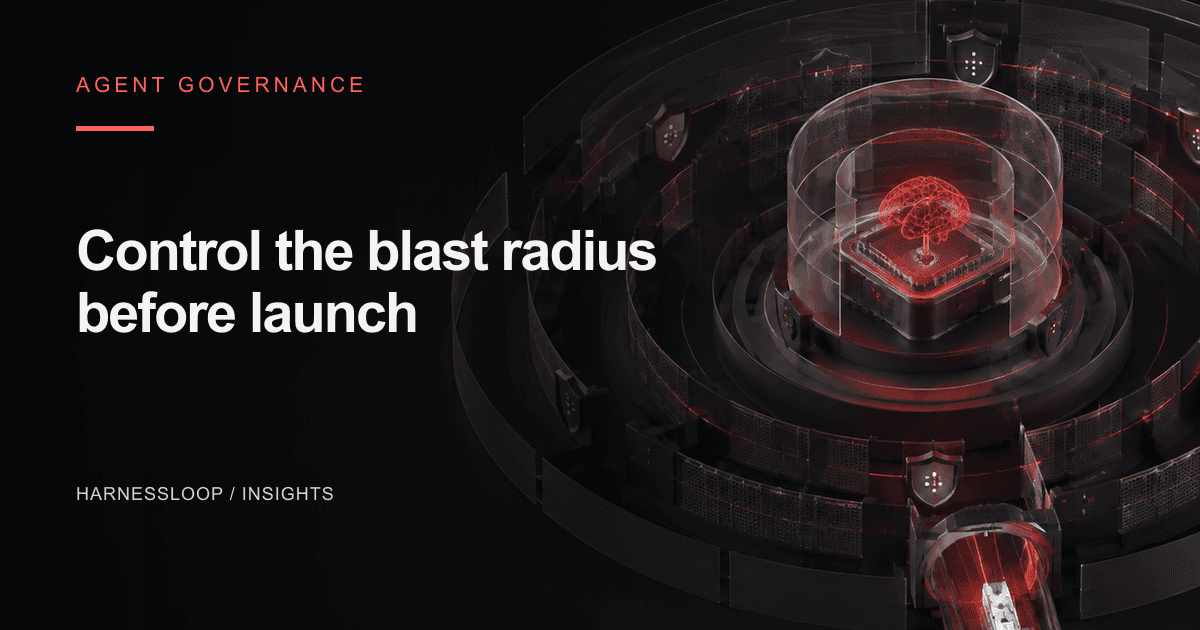
A technical design for agent permissions, tool boundaries, prompt injection defenses, PII controls, approvals, and audit evidence.
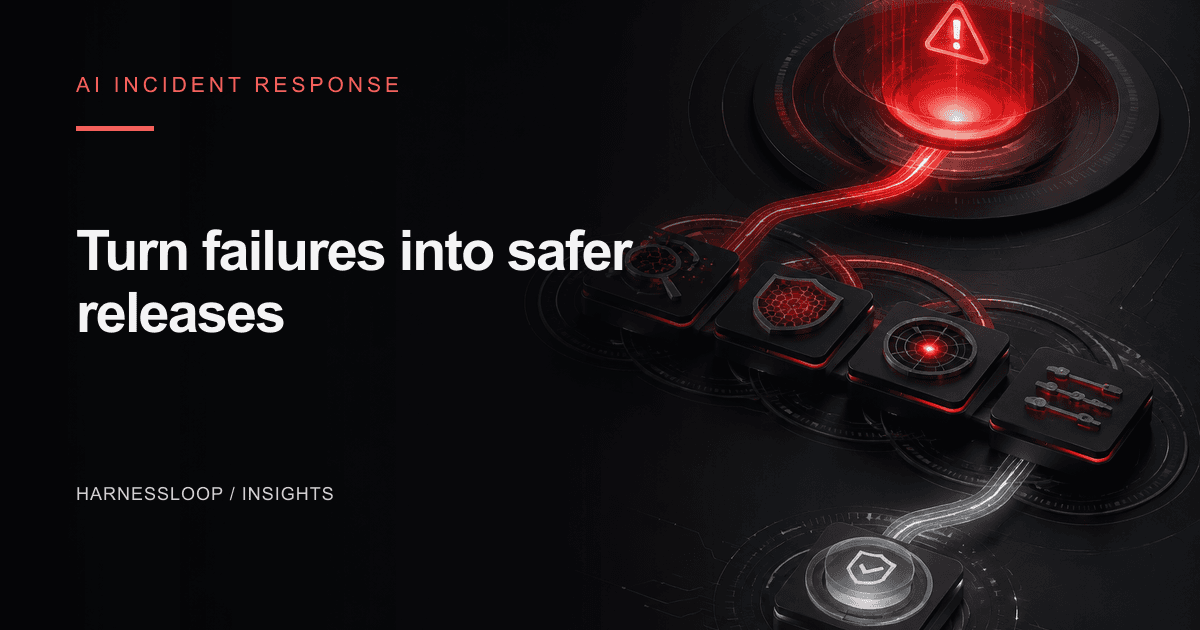
A practical incident process for detecting, containing, diagnosing, correcting, and learning from failures in agents and RAG systems.
A working AI demo proves that an idea is possible. Production, adoption, and workflow redesign determine whether it changes the business.
An eight-week delivery plan that defines quality, data, traces, tool boundaries, and operational ownership before selecting the production model.
A technical playbook for turning an AI prototype into a system you can evaluate, trace, operate, secure, and scale.
A production guide to deterministic graphs, routers, supervisors, event choreography, handoffs, state, checkpoints, and human approval.
A production evaluation architecture for AI agents, including datasets, deterministic checks, LLM judges, trajectory tests, and release gates.
How to engineer ingestion, freshness, lineage, permissions, deletion, retrieval evaluation, and telemetry for dependable production RAG.
How to version, evaluate, canary, roll back, and audit prompt and model changes without turning production into the test environment.
Before automating a workflow, map the real work - including exceptions, undocumented decisions, handoffs, and shadow processes that never appear in the official version.
AI transformation starts with redesigning work around the right mix of people, conventional software, and AI - not with building an agent for its own sake.
When an agent can implement a ticket in an hour, every unanswered product and technical decision becomes visible in the diff. The teams that ship faster learn to make those decisions explicit before they ask for code.
A proof of concept should answer one operational question, define its boundaries, and leave a clear decision for what happens next.
A practical breakdown of building production agents with LangSmith Agent Builder and MCP tools-where the promise met reality, and how to actually get MCP tools working.
How autonomous AI agents are transforming e-commerce through personalization, support automation, and agent-to-agent commerce-moving beyond chatbots to active participants in the customer journey.
Why 2026 may finally be the year enterprise AI moves from experimentation to measurable business value, and why most vendors will not survive the transition.